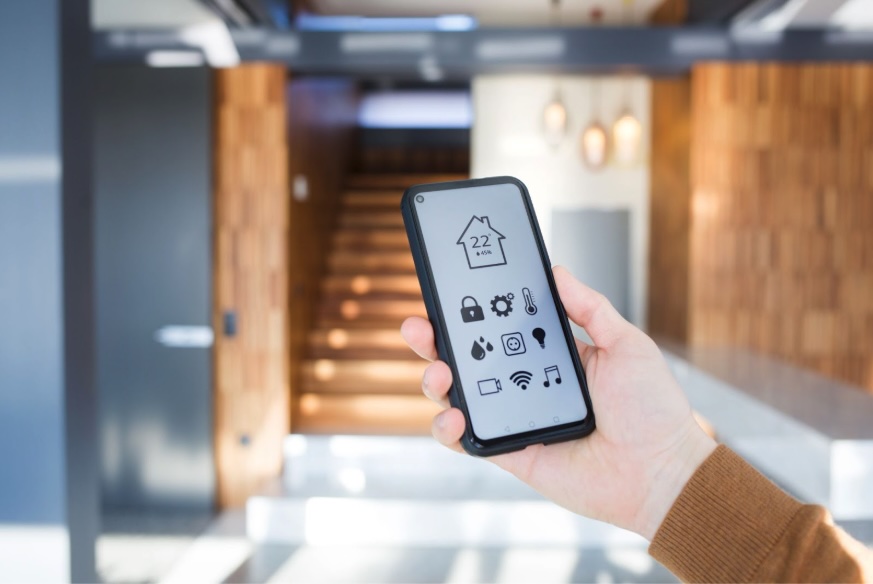
Smart Home Tech For Accessible Living
Today’s smart home tech isn’t just cool — it’s freedom. For buyers with mobility challenges, chronic pain, neurological conditions, low vision, or age-in-place needs, the right technology can transform daily living from exhausting to effortless.
Here’s a look at the smart-home features that meaningfully improve accessibility, increase independence, and make a home more livable for anyone with limitations.
1. Voice-Controlled Assistants
Smart speakers (Alexa, Google Assistant, Siri) are more than fun gadgets — they make dozens of physical tasks safer and easier:
- Turning lights on/off
- Unlocking doors
- Raising blinds
- Adjusting thermostats
- Calling for help
- Running appliances
- Turning on TVs
- Setting reminders for medication or appointments
For many people, this is the difference between dependence and independence.
2. Smart Lighting: Safety + Convenience
Lighting is more valuable than many people realize. It doesn’t just provide aesthetic appeal — it helps with safety, security and reduces accidents.
Accessible lighting to consider:
- Voice-activated lamps
- Automatic hallway lights
- Motion sensors in bathrooms
- Timed outdoor lights for evening arrivals
- Adjustable color temperature for low-vision support
No more fumbling for switches while maneuvering a mobility aid.
3. Smart Thermostats
Reaching, turning, and pressing tiny thermostat buttons is difficult for many buyers. Smart thermostats provide temperature control without struggle.
Smart thermostats allow:
- Voice control
- App control
- Hands-free scheduling
- Remote adjustments by caregivers
Bonus: they help reduce energy bills.
4. Smart Locks & Doorbell Cameras
Smart locks are a game-changer for people who:
- Can’t grip keys
- Can’t rush to the door
- Want safe, independent entry
Doorbell cameras make it easier to identify visitors without physically approaching the door.
5. Automated Window Blinds
Opening blinds can be surprisingly difficult. Automated blinds:
- Respond to voice commands
- Turn on and off based on set schedules
- Support privacy and temperature control
- Reduce unsafe reaching or bending
As they are becoming more mainstream, the costs are also becoming more affordable, providing options for nearly any budget.
6. Fall Detection & Emergency Response Tools
Today’s sensors aren’t just for seniors — anyone dealing with health issues, rehabilitation or disability can benefit.
Options include:
- Bed-exit sensors
- Bathroom fall sensors
- Pendant or wristband alerts
- Voice-activated emergency calls
- Smartwatches with fall detection
These tools silently monitor safety without invading dignity, giving everyone peace of mind.
7. Smart Appliances
More builders are integrating appliances with:
- Voice commands
- Push-to-open doors
- Screen-reader compatible interfaces
- App-based controls
- Alerts for stove or oven activity
This makes cooking safer, easier and more confidence-building.
Smart home tech isn’t just for luxury homes, and it doesn’t substitute for essential accessibility features — it enhances them. For many buyers, these upgrades are the difference between a home that simply works… and one that feels truly livable.