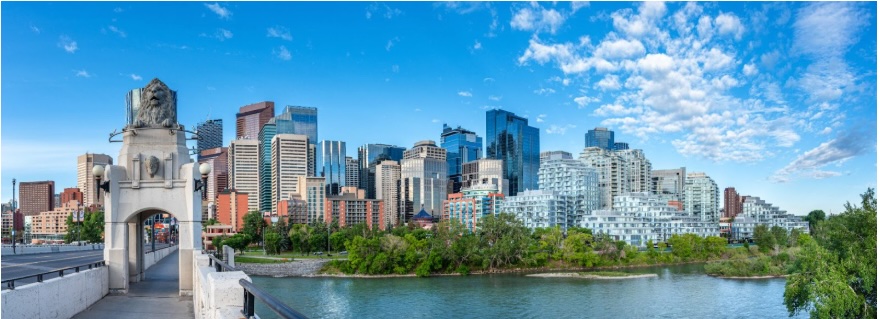
Top Accessible Cities in 2025
Accessible living is not just about your home, it’s about your community and the opportunities around you. It’s about embracing life and having more freedom and choices. After all, being differently-abled doesn’t mean you’ve lost that adventurous spirit.
We created this top 10 list of cities where accessible living means more than ramps and handicapped parking spaces. Our criteria? We ranked the major cities in the U.S. based on climate, cost, transit, and housing supply, and accessible activities indoors and out.
The cities are in no particular order, simply that they have elements that make them great places to live, work or vacation.
1) Minneapolis, Minnesota
Why It Made Our Top 10 List:
Minneapolis ranks high for “quality of life metrics” for people with disabilities and receives consistent accolades for its healthcare access, according to multiple sources including Atticus, Forbes, and Newsweek.
City Infrastructure:
The city’s built environment is unusually mobility-aware with well-designed public spaces, accessible curb-cuts, inclusive transit stations, and community disability services. Minneapolis has consciously invested in accessible public transit and park systems, making daily life easier for those who rely on mobility devices. Its robust healthcare system—including nearby hospitals, providers, therapists, and rehab centers—makes it especially strong for long-term accessible living.
For Homeowners:
Minneapolis remains affordable relative to similar-sized metros, featuring modest appreciation, a healthy price-to-income ratio, and typical home prices between $300,000–$450,000. Buyers will also find a healthy stock of single-level or zero-step homes, plus newer developments with universal design and proximity to key medical corridors.
For Fun:
The city offers barrier-free outdoor enjoyment such as paved lakeside trails, accessible park loops, sculpture gardens, and the highly accessible Science Museum of Minnesota. Many cafés and cultural spots provide step-free access for a smooth social experience.
2) St. Louis, Missouri
Why It Made Our Top 10 List:
St. Louis consistently ranks among the most disability-friendly mid-sized U.S. cities, scoring well on accessibility, healthcare, affordability, and inclusive public amenities.
City Infrastructure:
Following extensive redesign projects—such as the accessible overhaul of the Gateway Arch grounds—St. Louis now offers wide walkways, ramps, accessible pedestrian crossings, and transit stations designed for level boarding. The MetroLink rail, MetroBus system, and Call-A-Ride paratransit all support mobility for those with disabilities. Its central healthcare network (Barnes–Jewish, SSM Health, and others) provides high-quality, easy-to-reach medical services.
For Homeowners:
St. Louis is one of the most affordable cities on this list, with a strong price-to-income ratio and large inventory of single-story ranch homes ideal for accessibility upgrades. Flat lots, wider city lots, and accessible community layouts make renovations easier and more cost-effective. Neighborhoods like Central West End, Clayton, and Forest Park Southeast offer proximity to hospitals, parks, and fully accessible attractions.
For Fun:
Residents enjoy accessible attractions such as Forest Park’s paved loops, the Gateway Arch visitor center, the St. Louis Art Museum, Missouri History Museum, the Science Center, and The Muny outdoor theater. Festivals, markets, and cultural events often provide ADA-compliant seating and paths.
3) Denver, Colorado
Why It Made Our Top 10 List:
Denver is recognized nationally for combining outdoor adventure with thoughtful accessibility. The city scores well in mobility infrastructure, healthcare quality, and inclusive public spaces.
City Infrastructure:
Denver’s light rail and bus systems offer accessible boarding, and the city maintains wide sidewalks, modern curb ramps, and accessible civic buildings. Many trails and urban greenways—like the Cherry Creek Trail—include paved surfaces and gentle grades. Healthcare access is strong, with major hospitals and rehab centers clustered in central districts.
For Homeowners:
While Denver has higher home prices than many Midwestern cities, it offers modern housing stock, new builds with universal design features, and suburban neighborhoods with single-level layouts. Buyers seeking accessible homes near transit or trails will find strong options.
For Fun:
Denver makes outdoor recreation accessible with paved river trails, accessible mountain-view parks, botanic gardens, museums, and cultural venues with barrier-free entry and seating.
4) Seattle, Washington
Why It Made Our Top 10 List:
Seattle is known for strong disability rights advocacy and citywide investments in accessibility, from transit to parks to arts institutions.
City Infrastructure:
The city excels with accessible light rail stations, modern sidewalks, well-maintained curb ramps, and inclusive public spaces. Many neighborhoods include accessible public pathways, and the city continually upgrades infrastructure under ADA Transition Plans.
For Homeowners:
Although Seattle is one of the pricier markets on this list, it shines in modern, universal-design housing, elevator-equipped midrise buildings, and walkable neighborhoods with strong transit integration—reducing dependency on cars for mobility-impaired residents.
For Fun:
Accessible highlights include waterfront parks, the Seattle Art Museum, Pike Place Market paths, the aquarium, and extensive accessible trails at Discovery Park.
5) Orlando, Florida
Why It Made Our Top 10 List:
Orlando may be known for tourism, but it also stands out as an accessibility-forward city thanks to inclusive attractions, warm climate, and strong service infrastructure.
City Infrastructure:
Orlando provides extensive curb ramps, accessible transit options, and abundant flat walking routes. Hospitals and medical centers are widely available, and many neighborhoods include modern sidewalk systems conducive to wheelchair mobility.
For Homeowners:
Orlando’s suburban communities offer many single-level homes, newer construction with wide hallways, and easy-to-access shopping and services. Home prices vary, but many areas remain more approachable than major coastal markets.
For Fun:
Orlando is a top-tier accessibility destination: theme parks with world-class accessible accommodations, paved lake loops, botanical gardens, arts venues, and barrier-free dining.
6) Washington, D.C.
Why It Made Our Top 10 List:
As the nation’s capital, D.C. excels in accessible transit, public spaces, museums, and civic buildings.
City Infrastructure:
WMATA (Metro) offers elevators, level boarding, and audible/visual signals. Sidewalks, monuments, and government buildings follow high accessibility standards. Healthcare access is strong, and the city’s density reduces travel distances for essential services.
For Homeowners:
Housing prices can be higher, but D.C. residents benefit from dense, walkable neighborhoods, modern buildings with elevators, and proximity to transit. Many accessible condos and apartments are available near bus/rail lines.
For Fun:
All Smithsonian museums offer barrier-free access, and monuments/memorials include ramps, paved paths, and accessible restrooms. The National Mall is highly navigable for mobility-device users.
7) San Antonio, Texas
Why It Made Our Top 10 List:
San Antonio blends affordability with accessible public spaces and a strong healthcare presence, making it one of the best Sun Belt cities for mobility-friendly living.
City Infrastructure:
The River Walk features accessible entrances, paved sections, ramps, and elevators. VIA transit provides accessible buses and paratransit service. The city has broad sidewalks, curb ramps, and inclusive public facilities.
For Homeowners:
San Antonio remains one of the most budget-friendly cities on our list, with many single-story homes, wide-lot suburban properties, and neighborhoods offering naturally accessibility-friendly layouts.
For Fun:
Residents can access museums, the Alamo grounds, botanical gardens, zoo, and accessible sections of the River Walk. Outdoor attractions often include mobility accommodations.
8) Huntington Beach, California
Why It Made Our Top 10 List:
Huntington Beach earned recognition for offering accessible oceanfront recreation and barrier-free community amenities—rare for a coastal city.
City Infrastructure:
Paved beachfront paths, beach wheelchairs, accessible piers, and smooth promenades make coastal living more inclusive. Public parks and community centers also follow high accessibility standards.
For Homeowners:
This is the highest-priced market on the list, but accessibility is baked into many newer homes and beach-area developments. Buyers seeking premium, coastal accessible living will find plenty of modern, universal-design properties.
For Fun:
The city offers accessible beaches, surfing programs for people with disabilities, wheelchair-friendly piers, arts events, and beachside parks.
9) Overland Park, Kansas
Why It Made Our Top 10 List:
Overland Park is frequently highlighted for accessible employment, community services, and affordability, making it one of the strongest value cities for accessible living.
City Infrastructure:
The city maintains wide sidewalks, accessible parks, inclusive playgrounds, and modern public buildings. Healthcare access is good, and the suburban layout includes many mobility-friendly environments.
For Homeowners:
Overland Park offers low housing costs, an abundance of single-level homes, and many properties built with wider hallways and open layouts—ideal for universal design adaptations.
For Fun:
Popular accessible attractions include botanical gardens, nature trails with paved sections, family-friendly parks, and accessible community events.
10) Scottsdale, Arizona
Why It Made Our Top 10 List:
Scottsdale stands out for health-focused amenities, accessible recreation, and strong community investment in livable, mobility-friendly spaces.
City Infrastructure:
The city offers accessible hiking areas, paved greenbelts, smooth sidewalks, wide arterial paths, and transit options supportive of mobility devices. Healthcare and wellness services are top-tier and plentiful.
For Homeowners:
Scottsdale’s housing market is more expensive, but many homes are single-story ranches or modern builds ideal for accessibility modifications. Large lots and open layouts help make zero-step entries and universal design retrofits easier.
For Fun:
Scottsdale features accessible museums, galleries, trails, golf courses, shopping districts, and community centers—all with barrier-free entry and amenities.
Accessible living is no longer a fringe niche—it is a critical and growing necessity. The convergence of several powerful trends is driving this shift, making accessibility a mainstream concern for urban planning, real estate development, and community design.
In response, an increasing number of cities are focusing on accessible urbanism. These 10 cities, in particular, demonstrate how thoughtful infrastructure planning, varied accessible housing options, and comprehensive community amenities—from accessible public transit to parks and cultural institutions—can converge to create better environments for all residents.